
TradersGet Blog
Market Mastery | Prop firm Tips | Tading Psychology | Risk Management Strategies
The Two Psychological Traps That Destroy Trading Accounts (And How to Avoid Them)
Profitability in trading is not just about strategy, indicators, or entries.
More often than not, it’s your mindset and risk behavior that decides whether you survive long enough to win.
Many traders fail not because they lack a good setup, but because they fall into psychological traps that slowly—or suddenly—wipe them out.
Today, we’ll break down two deadly cognitive biases every trader must understand, recognize, and avoid on the journey to consistent profitability.
1. Hot Hand Fallacy: Overconfidence after Wins.
You've just closed a string of winning trades. Your account balance is growing nicely, confidence is sky-high, and it feels like you can't lose. This is where the Hot Hand Fallacy creeps in — the belief that because you've been winning consistently, the next trade is more likely to win too.
Hot Hand Fallacy happens when a trader experiences a streak of wins and starts believing:
“I’m on fire. The next trade will also win.” Hence the term "Hot hand."
After consistent wins, traders often:
Increase lot size impulsively
Ignore their risk management rules
Take lower-quality setups
Trade more frequently than planned
This state is commonly referred to as euphoria.
The problem?
Markets don’t care about your winning streak.
That one emotional trade, taken with oversized risk, can wipe out weeks or months of compounded gains in seconds.
Winning streaks don’t change probabilities. Each trade remains independent of the previous one.
2. Gambler's Fallacy: Chasing Recovery After Losses.
On the flip side, after a series of losing trades, frustration builds. You start thinking, "I've had so many losses in a row; the next one has to be a winner." This is the classic Gambler's Fallacy: expecting the opposite outcome simply because it hasn't happened recently.
After a series of losses, traders start believing:
“I’ve lost too many times. The next trade HAS to be a win.”
This creates false hope and emotional decision-making.
This false hope leads to dangerous behavior:
Doubling or tripling your usual risk to "recover" losses faster.
Taking trades outside your strategy because you're desperate for a win.
Abandoning your per-trade risk limit (e.g. risking $300 instead of your planned $100).
Ignoring stop-loss rules
This rarely ends well. Instead of recovery, traders often:
Blow their accounts
Exceed drawdown limits
Lose far worse than if they'd stuck to the plan.
Hope is not a trading strategy.
Remedy: Treat Every Trade as Independent.
Markets don't have memory. Each trade is an independent event with roughly a 50/50 chance of going your way (depending on your edge and strategy). As traders, we can never know the outcome of a trade before it plays out.
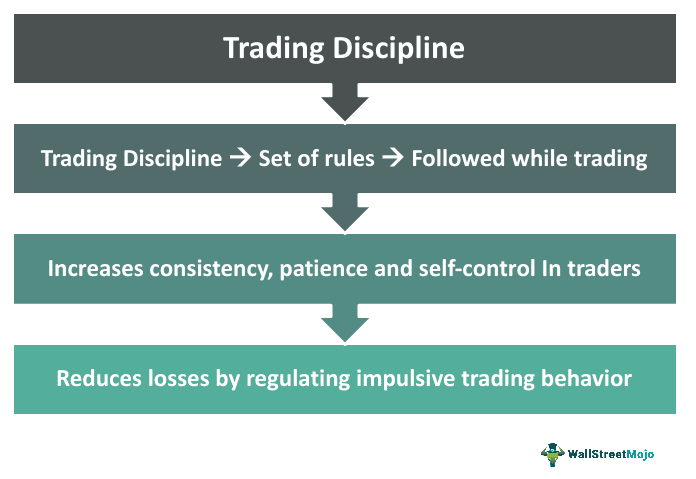
That's why disciplined risk management isn't optional — it's your lifeline. Stick to your plan on every trade, win or lose. One single trade taken with poor risk control can set you back months or even years.
In conclusion
Awareness is the first step to overcoming these psychological traps. Recognize when euphoria or desperation starts clouding your judgment, step away if needed, and always return to your proven risk rules.
Building a profitable trading career is a marathon, not a sprint. Protect your capital, respect the process, and let consistency do the heavy lifting.
Ready to level up your trading mindset? Visit us at www.tradersget.com to learn more on how we help traders build sustainable success.
Stay disciplined.
The Tradersget Team
Let's get social


Drop your email address below to get our newsletter.
TradersGet Inc.
All rights reserved.
Pages
Categories